Cómo importar repuestos industriales desde Europa a Latinoamérica

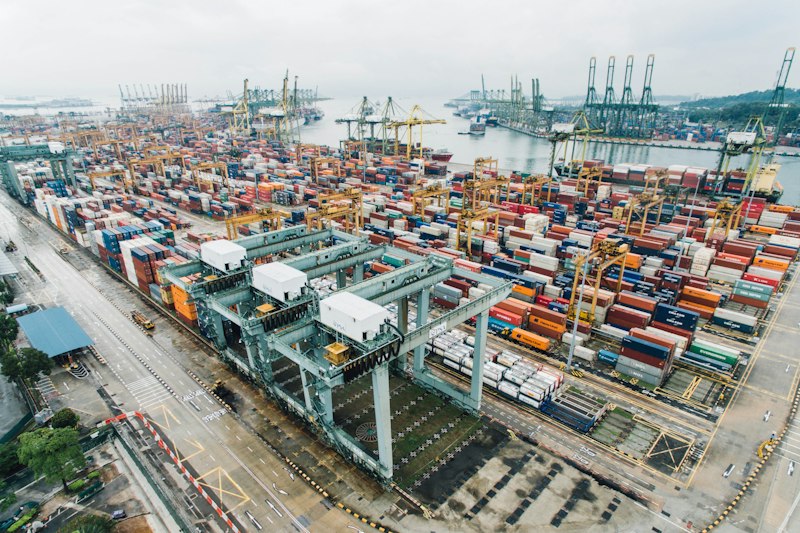
Contenedor de carga marítima para importación industrial desde Europa

Importar repuestos y materiales industriales desde Europa a Latinoamérica puede parecer complicado, pero con el proceso correcto es una operación completamente viable que muchas empresas de minería, siderurgia, energía y manufactura realizan de forma habitual. En esta guía te explicamos todo el proceso paso a paso.

💡 Lo más importante antes de empezar

El secreto para importar con éxito es tener la referencia exacta del fabricante. Sin ella, el proceso se complica enormemente. Antes de contactar a ningún proveedor, asegúrate de tener el número de referencia completo del componente.

¿Por qué importar desde Europa?

Europa es el origen de las principales marcas industriales del mundo: ABB, Siemens, SKF, Sandvik, Danfoss, Gates, Klüber, Donaldson, MAHLE, Atlas Copco y muchas más. Importar directamente desde Europa garantiza:

  • Componentes 100% originales con certificación del fabricante
  • Precios más competitivos al eliminar intermediarios locales
  • Acceso a referencias que no tienen distribución local en tu país
  • Documentación técnica completa para mantenimiento y garantías
  • Plazos de entrega predecibles con seguimiento en tiempo real

El proceso de importación paso a paso

1. Identifica la referencia exacta

Este es el paso más crítico. Necesitas la referencia completa del fabricante, no solo el nombre genérico del componente. Por ejemplo, no basta con decir "rodamiento SKF" — necesitas la referencia exacta como SKF 6205-2RS1 o SKF 23144 CCK/W33. Esta información suele estar en la placa del equipo, en el manual de mantenimiento o en el componente original.

2. Solicita cotización a un especialista en sourcing

Una vez que tienes la referencia, contacta a un especialista en sourcing europeo como EuroSupplyHub. Indica también la cantidad, el plazo de entrega requerido y tu preferencia de incoterm. Recibirás una cotización detallada en menos de 24 horas hábiles.

3. Elige el incoterm adecuado

El incoterm determina quién asume la responsabilidad y los costes en cada etapa del transporte. Los más utilizados en importaciones industriales son:

EXW
Ex Works

El material queda en el almacén del proveedor. Tú gestionas todo el transporte.

CIF
Cost, Insurance & Freight

Incluye transporte y seguro hasta el puerto de destino. Tú gestionas la aduana local.

DDP
Delivered Duty Paid

Servicio completo puerta a puerta. El proveedor gestiona todo incluyendo aduanas.

4. Documentación necesaria

Para una importación industrial estándar desde Europa a Latinoamérica necesitarás:

  • Factura comercial — con descripción detallada, valor y país de origen
  • Packing list — detalle de bultos, pesos y dimensiones
  • Bill of Lading o Airway Bill — según sea transporte marítimo o aéreo
  • Certificado de origen — puede ser necesario para beneficiarse de aranceles reducidos
  • Certificados técnicos — del fabricante, especialmente para equipos eléctricos

5. Transporte: ¿marítimo o aéreo?

La elección del medio de transporte depende del peso, volumen y urgencia:

  • Transporte aéreo — Para componentes pequeños o urgentes. Plazo: 3-7 días. Coste mayor.
  • Transporte marítimo — Para pedidos grandes o pesados. Plazo: 20-40 días según destino. Mucho más económico por kg.
  • Courier express — Para piezas pequeñas y muy urgentes (paradas de planta). Plazo: 2-4 días.

6. Aduanas en destino

Cada país de Latinoamérica tiene su propio régimen aduanero. En general necesitarás un agente de aduanas local que tramite la declaración de importación. Los aranceles varían según el tipo de material y el código arancelario (HS Code). En muchos casos, los repuestos industriales tienen aranceles reducidos o exención si el país tiene tratado de libre comercio con la UE.

Plazos típicos de entrega

Dependiendo de la urgencia y el destino, los plazos habituales son:

  • Courier urgente (Perú, Chile, Colombia): 3-5 días hábiles
  • Aéreo estándar: 7-12 días hábiles
  • Marítimo (puertos principales LATAM): 25-40 días

⚠️ Paradas de planta: actúa con urgencia

Si necesitas el material para una parada de planta o una avería crítica, indícalo siempre en tu solicitud. En estos casos priorizamos el envío urgente por la vía más rápida disponible, normalmente courier o aéreo express.

Conclusión

Importar repuestos industriales desde Europa a Latinoamérica es un proceso perfectamente viable cuando se trabaja con un especialista en sourcing que conoce el mercado europeo y los procedimientos logísticos. La clave es tener la referencia exacta, elegir el incoterm adecuado y planificar con suficiente antelación para evitar paradas de producción.

En EuroSupplyHub nos encargamos de todo el proceso: localizamos el material en Europa, negociamos el mejor precio, gestionamos la documentación y coordinamos el envío hasta tu almacén. Sin límite de catálogo, cualquier marca, cualquier referencia.

How to import industrial spare parts from Europe to Latin America

Maritime shipping container for industrial imports from Europe

Importing industrial spare parts and materials from Europe to Latin America may seem complicated, but with the right process it is a completely viable operation that many mining, steel, energy and manufacturing companies carry out regularly. In this guide we explain the entire process step by step.

💡 The most important thing before you start

The secret to successful importing is having the exact manufacturer reference. Without it, the process becomes extremely complicated. Before contacting any supplier, make sure you have the complete reference number for the component.

Why import from Europe?

Europe is the home of the world's leading industrial brands: ABB, Siemens, SKF, Sandvik, Danfoss, Gates, Klüber, Donaldson, MAHLE, Atlas Copco and many more. Importing directly from Europe guarantees:

  • 100% original components with manufacturer certification
  • More competitive prices by eliminating local intermediaries
  • Access to references with no local distribution in your country
  • Complete technical documentation for maintenance and warranties
  • Predictable delivery times with real-time tracking

The import process step by step

1. Identify the exact reference

This is the most critical step. You need the complete manufacturer reference, not just the generic name of the component. For example, it is not enough to say "SKF bearing" — you need the exact reference such as SKF 6205-2RS1 or SKF 23144 CCK/W33. This information is usually on the equipment nameplate, in the maintenance manual, or on the original component.

2. Request a quote from a sourcing specialist

Once you have the reference, contact a European sourcing specialist like EuroSupplyHub. Also indicate the quantity, required delivery time and your incoterm preference. You will receive a detailed quote in less than 24 working hours.

3. Choose the right incoterm

The incoterm determines who assumes responsibility and costs at each stage of transport. The most commonly used in industrial imports are:

EXW
Ex Works

Material is at the supplier's warehouse. You manage all transport.

CIF
Cost, Insurance & Freight

Includes transport and insurance to destination port. You handle local customs.

DDP
Delivered Duty Paid

Full door-to-door service. The supplier manages everything including customs.

4. Required documentation

For a standard industrial import from Europe to Latin America you will need:

  • Commercial invoice — with detailed description, value and country of origin
  • Packing list — detail of packages, weights and dimensions
  • Bill of Lading or Airway Bill — depending on sea or air transport
  • Certificate of origin — may be required to benefit from reduced tariffs
  • Technical certificates — from the manufacturer, especially for electrical equipment

5. Transport: sea or air?

The choice of transport depends on weight, volume and urgency:

  • Air freight — For small or urgent components. Lead time: 3-7 days. Higher cost.
  • Sea freight — For large or heavy orders. Lead time: 20-40 days depending on destination. Much more economical per kg.
  • Express courier — For small and very urgent parts (plant shutdowns). Lead time: 2-4 days.

6. Customs at destination

Each Latin American country has its own customs regime. You will generally need a local customs agent to process the import declaration. Tariffs vary according to the type of material and the HS Code. In many cases, industrial spare parts have reduced tariffs or exemptions if the country has a free trade agreement with the EU.

Typical delivery times

  • Urgent courier (Peru, Chile, Colombia): 3-5 working days
  • Standard air freight: 7-12 working days
  • Sea freight (main LATAM ports): 25-40 days

⚠️ Plant shutdowns: act urgently

If you need the material for a plant shutdown or critical breakdown, always indicate this in your request. In these cases we prioritise urgent shipment by the fastest available route, usually courier or air express.

Conclusion

Importing industrial spare parts from Europe to Latin America is a perfectly viable process when working with a sourcing specialist who knows the European market and logistics procedures. The key is to have the exact reference, choose the right incoterm and plan well in advance to avoid production stoppages.

At EuroSupplyHub we handle the entire process: we source the material in Europe, negotiate the best price, manage the documentation and coordinate shipment to your warehouse. No catalogue limits, any brand, any reference.